4 Min Read
A whole home remodel is a big step, and choosing among the right whole home remodelers in Gainesville matters just as much as understanding the process behind the project. In this guide, we walk through how a design-build approach simplifies remodeling in Gainesville and why it helps homeowners feel more confident and informed from the very beginning.
You’ll learn how the design-build process works from start to finish, what to expect at each phase of a whole home remodel, and why having one integrated team leads to better communication, smarter budgeting, and smoother construction.
What Is Design-Build Remodeling?
Whole Home Remodeling: A Design-Build Step-by-Step Guide
Step 1: Initial Consultation & Vision Planning
Step 2: In-House Design & Concept Development
Step 3: Budget Alignment & Pre-Construction Planning
Step 4: Construction Begins
Step 5: Ongoing Collaboration & Adjustments
Step 6: Final Walkthrough & Project Completion
Why Design-Build Is the Best Choice for Whole Home Remodeling
What Is Design-Build Remodeling?
Design-build remodeling is a collaborative approach where one team manages both the design and construction of your project. Instead of juggling separate designers and contractors, everything happens under one roof, keeping communication clear and decisions aligned.
This integrated process reduces surprises, streamlines timelines, and helps ensure your design vision, budget, and build plan stay connected from start to finish.
Whole Home Remodeling: A Design-Build Step-by-Step Guide
The design-build method isn't like the traditional method. It includes every step in a home remodel, not just the building phase. What does that look like in practice? We've laid it all out for you here.
Step 1: Initial Consultation & Vision Planning
Every whole home remodel begins with a conversation, and with a design-build approach, that first conversation sets the tone for everything that follows.
During this early stage, your design-build team focuses on a few key areas to make sure the vision is clear and achievable:
-
How your home functions day to day and where it falls short
-
Your goals, priorities, and must-haves for the remodel
-
Lifestyle needs like entertaining, working from home, or accommodating a growing family
-
Budget comfort range and long-term investment goals
-
Timeline expectations and any upcoming milestones
By addressing these details upfront, the design-build process minimizes surprises, builds confidence, and sets the project up for a smooth transition into the design phase.
Step 2: In-House Design & Concept Development
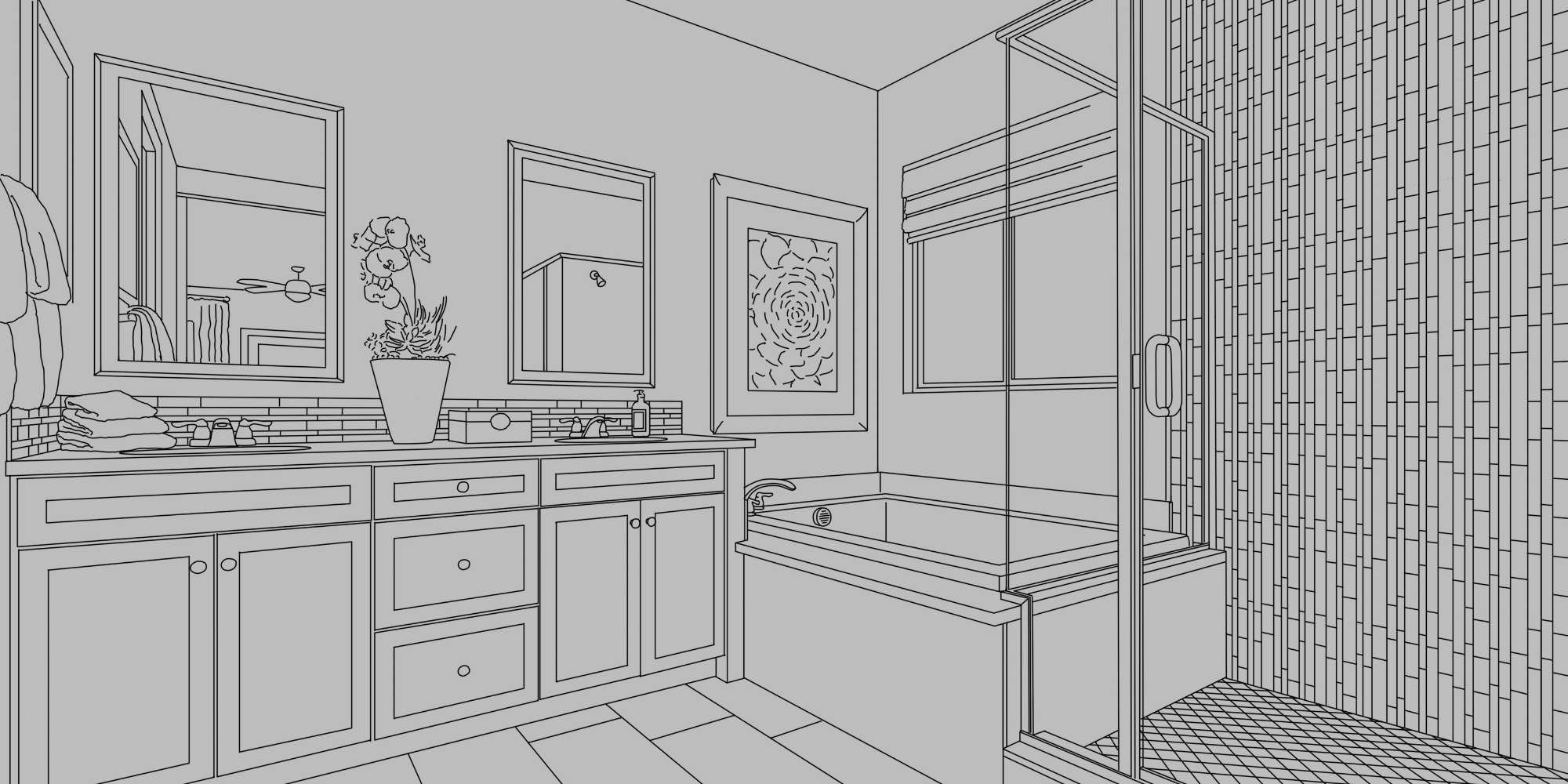
This is the stage where your ideas really start to come to life. With a design-build approach, designers and builders are working together from day one, so creativity and real-world know-how go hand in hand.
Instead of dreaming something up and hoping it works later, every idea is shaped with construction in mind. During this phase, your design-build team will focus on:
-
Space planning and layout refinement to improve flow and function
-
Interior and exterior design direction that reflects your style and how you live
-
Material selections and finish concepts that balance beauty, durability, and budget
-
Ongoing collaboration between design and construction to reduce surprises during the build
Because everything happens in-house, questions are answered quickly, adjustments are made early, and the design evolves with your budget and timeline in mind, setting the stage for a smoother whole-home remodel.
Step 3: Budget Alignment & Pre-Construction Planning
Once the design direction is clear, the focus turns to making sure everything lines up in the real world. Your design-build team takes the plans and selections and turns them into clear, detailed pricing, so you know what to expect before construction ever starts.
That kind of transparency is one of the biggest benefits of design-build. No guesswork. No disconnected estimates.
During pre-construction, your design-build team will:
-
Review pricing and adjust the design as needed to stay within budget
-
Use value engineering to maintain quality while making smart cost decisions
-
Finalize the full scope of work, project timeline, and communication expectations
-
Handle permits, scheduling, trade coordination, and logistical planning
- Confirm material lead times and ordering schedules to prevent delays once construction begins
By the time construction starts, everyone is on the same page. The design-build approach ensures the plan is realistic, organized, and ready to move forward smoothly.
Step 4: Construction Begins
Once construction begins, the benefits of the design-build process become even more apparent.
Because your designer and builder are on the same team, there’s no awkward handoff, just a smooth transition from plans to progress. With site management, scheduling, and quality control handled in-house, the project stays organized, efficient, and moving forward without unnecessary delays.
During this phase, your design-build team focuses on:
-
Coordinating trades and deliveries to keep the schedule on track
-
Maintaining a clean, organized, and safe job site
-
Overseeing workmanship to ensure every detail meets design standards
Throughout construction, clear communication is a priority. Regular updates and on-site oversight ensure expectations stay aligned and the work progresses with confidence.
Step 5: Ongoing Collaboration & Adjustments
Even with thorough planning, whole home remodels can uncover surprises, especially in older homes. The benefit of a design-build approach is flexibility. When changes or discoveries come up, your team can respond quickly, offering solutions that keep the project moving forward without derailing the budget or schedule.
Ongoing collaboration includes:
-
Evaluating unforeseen conditions and presenting clear next steps
-
Adjusting plans thoughtfully without sacrificing overall design intent
-
Tracking costs and timeline impacts in real time
-
Providing consistent updates so you’re never left guessing
This level of transparency helps keep the remodeling experience calm, organized, and focused on the end goal: a home that feels cohesive, functional, and beautifully finished.
Step 6: Final Walkthrough & Project Completion
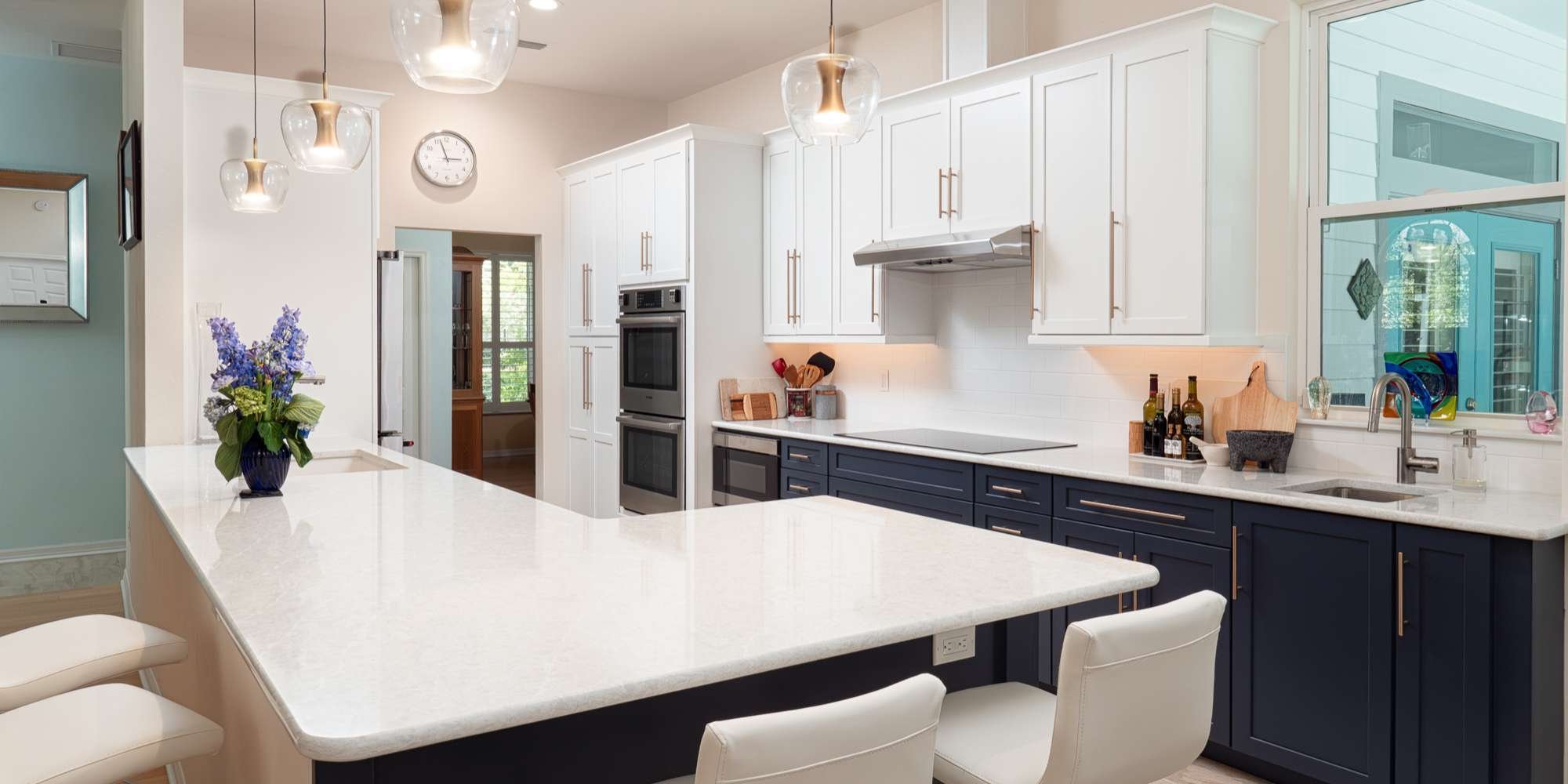
As construction winds down, attention turns to the details that make your whole home remodel feel finished and livable. Your design-build team takes time to walk through the space, checking everything from paint and trim to cabinetry and fixtures to make sure it all meets the plan and your expectations.
During this final phase, you can expect:
-
A comprehensive walkthrough to review the completed work together
-
Identification and resolution of any punch-list items, big or small
-
Final inspections and project closeout coordination
Once everything is complete, your team will help guide the transition back into your newly remodeled home. The result is a thoughtfully finished space that reflects your vision, functions beautifully, and feels ready to be lived in.
Why Design-Build Is the Best Choice for Whole Home Remodeling
Whole-home remodeling is a big undertaking, which is exactly why the design-build model makes so much sense.
With a design-build approach, you benefit from:
-
One team, one contract, one shared goal, which keeps communication clear and accountability simple
-
Better cost control, since designs are created with real-world construction costs in mind from day one
-
Fewer surprises, thanks to early collaboration and proactive problem-solving
-
More efficient timelines, with less back-and-forth between designers and builders
-
Designs that are both beautiful and buildable, staying aligned with your budget throughout the process
Perhaps most importantly, design-build delivers a smoother, more enjoyable remodeling experience. The process feels organized instead of overwhelming, flexible instead of rigid, and collaborative instead of transactional.

Remodeling Made Clear, Connected, and Collaborative
A whole home remodel won't feel confusing or disjointed when the process is thoughtful and well-coordinated.
With a design-build approach, every decision is connected, every detail is considered, and your goals stay front and center. If you’re ready to reimagine your home, Robinson Renovation & Custom Homes is here to guide you every step of the way.
Reach out to us and let's get the conversation started.